Introduction
Herbal Haircare is one of the safest and most natural ways to improve hair health. In this day & age, where pollution, stress & all those chemical-packed products are constantly battering our hair, it’s no wonder more & more people are turning to nature for help.
Herbal haircare is not a trend. It’s a system that has been used for centuries in different cultures. The difference today is that we understand more about how plants work and how scalp health affects hair growth. When used correctly and consistently, herbal haircare can support stronger, healthier hair over time.
Herbal haircare is becoming a trusted solution for people who want healthier, stronger hair without relying on harsh chemicals. From amla and neem to aloe vera and fenugreek, natural ingredients have been used for centuries to support scalp health and reduce hair fall.
What Is Herbal Haircare?
Herbal haircare means using plant-based ingredients like leaves, roots, seeds, and natural oils to clean, nourish, and protect your hair and scalp.
Instead of synthetic surfactants, heavy silicones, or artificial fragrances, herbal care focuses on ingredients that work with your scalp’s natural balance.
Healthy hair does not start with the length — it starts at the scalp. If the scalp is inflamed, dry, oily, or clogged, hair growth can suffer. Herbal ingredients often contain antioxidants, vitamins, and anti-inflammatory compounds that help restore balance.
Why Hair Care Is Important?
Good hair care goes beyond aesthetics it plays a crucial role in maintaining scalp health. A clean and nourished scalp provides the foundation for strong hair growth from the roots. Neglecting proper hair care can weaken hair follicles, resulting in thinning or even hair loss.
Benefits of Herbal Haircare
Herbal haircare is becoming popular because people want safer and more natural solutions for their hair. Instead of using products full of chemicals, herbal haircare focuses on plant-based ingredients that gently nourish the scalp and hair.
1. Less Chemical Damage
Most herbal products are free from harsh chemicals like parabens and sulfates. This means your scalp stays healthier and your hair becomes less dry and damaged over time.
2. Strengthens Hair Roots
Natural ingredients like amla, aloe vera, and bhringraj help make hair roots stronger. Strong roots mean less hair fall and better growth.
3. Supports Hair Growth
Many herbs improve blood circulation in the scalp. Better circulation helps hair grow thicker and healthier.
4. Reduces Dandruff
Herbs like neem and tea tree have natural antibacterial properties. They help control dandruff and keep the scalp clean.
5. Safe for Long-Term Use
Herbal haircare is generally gentle, so you can use it regularly without worrying about serious side effects.
6. Improves Hair Texture
With regular use, herbal treatments can make hair softer, shinier, and more manageable.
Best Hair Oils for Hair Growth
These are the best oils for our hairs By. Using natural oils is one of the most ancient and trusted ways to support hair growth and improve overall hair health. Oils help nourish the scalp, improve blood circulation, strengthen hair follicles, and lock in moisture — all essential for promoting healthy hair growth. Below are some of the most effective oils you can include in your hair care routine
Coconut Oil
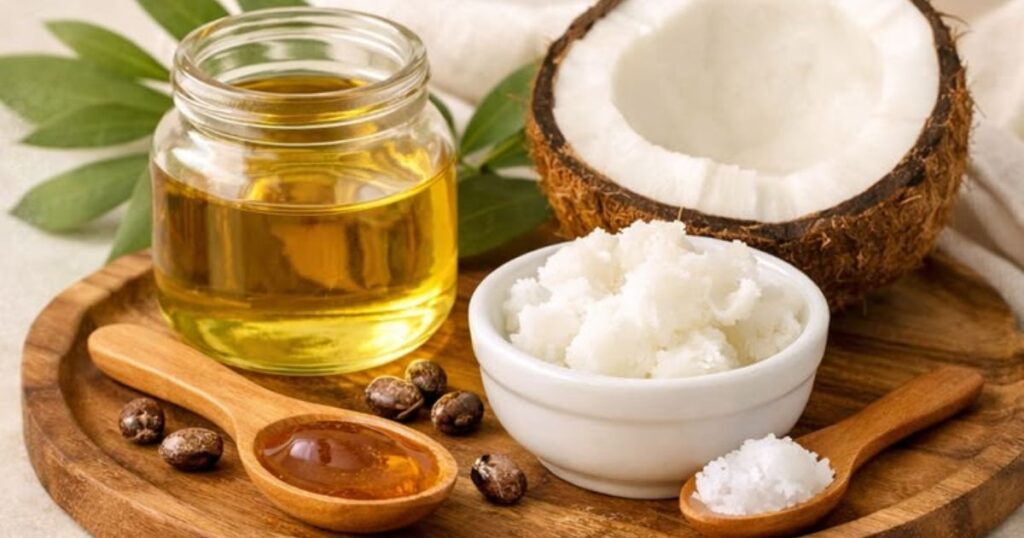
Coconut Oil (Cocos nucifera) is one of the most popular oils used in hair care around the world. It penetrates deep into the hair shaft and provides moisture from within.
Why it’s effective:
- Reduces protein loss from hair
- Conditions: dry and damaged hair
- Helps prevent breakage and split ends
How to use: Warm a small amount and massage it into the scalp once or twice weekly.
Castor Oil
Castor Oil (Ricinus communis) is thick and rich, making it ideal for strengthening hair roots and promoting growth.
Benefits:
- Rich in ricinoleic acid, which may improve scalp circulation
- Helps hydrate dry scalp
- Adds thickness and texture to hair
Tip: Because castor oil is very thick, mix it with a lighter oil (like coconut or olive oil) before applying.
Rosemary Oil
Rosemary essential oil has recently gained popularity because it may help increase blood flow to the scalp and stimulate hair follicles.
Benefits:
- Promotes circulation
- May support thicker-looking hair
- Adds shine
Important: Always dilute rosemary oil with a carrier oil before applying.
Jojoba Oil
Originally extracted from the seeds of the jojoba plant, jojoba oil closely resembles the scalp’s natural sebum.
Benefits:
- Helps balance natural scalp oils
- Great for both dry and oily scalps
- Lightweight and non-greasy
Use: Ideal for daily scalp massage or pre-wash treatment.
Argan Oil
Argan oil is rich in vitamin E and essential fatty acids, making it a deeply nourishing oil for hair.
Benefits:
- Helps repair dry, damaged strands
- Adds softness and shine
- Protects hair from environmental stress
Bonus: It works well as a leave-in hair oil.
Why Many People Are Switching to Herbal Haircare
1. Fewer Harsh Chemicals
Many commercial shampoos contain sulfates that remove oil aggressively. While that can make hair feel clean instantly, over time, it may cause dryness or irritation in some people. Herbal cleansers like shikakai and reetha clean gently without stripping everything away.
2. Better Scalp Support
Dandruff, itching, and irritation are often linked to scalp imbalance. Herbs like neem and aloe vera have properties that may help reduce fungal growth and calm inflammation.
3. Long-Term Hair Strength
Herbal oils and masks don’t usually give instant cosmetic shine like silicone-based serums. Instead, they gradually support the hair shaft and follicles, which may reduce breakage over time.4. Sustainable Choice
4. Sustainable Choice
Plant-based ingredients are biodegradable and often more environmentally friendly.
Benefits of Herbal Haircare
Let’s break down the herbs people use most often — and why they matter.
Amla (Indian Gooseberry)
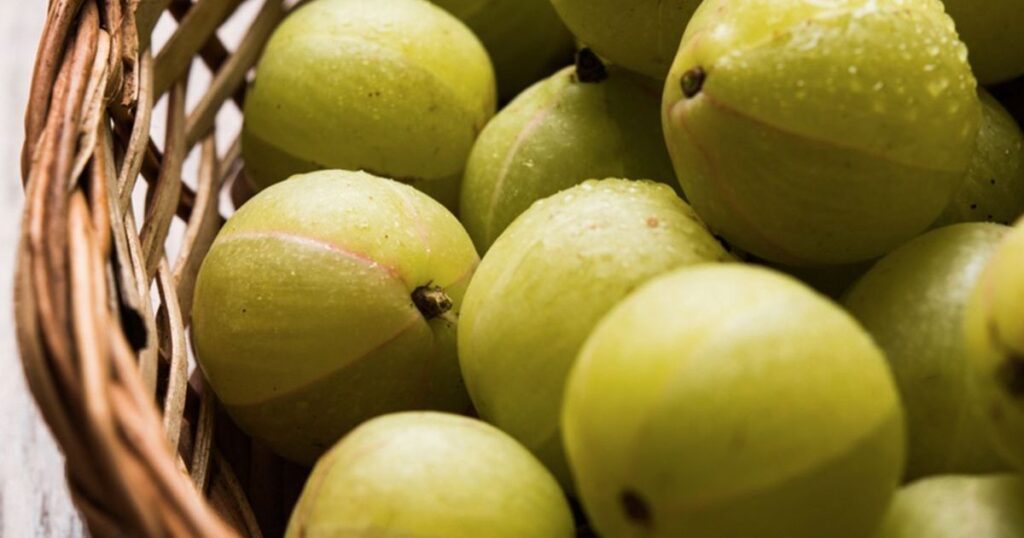
Amla (Phyllanthus emblica )is rich in vitamin C and antioxidants. Oxidative stress has been linked to hair thinning, and antioxidants help reduce that stress.
How it helps:
- Supports stronger hair roots
- Adds natural shine
- May help with premature greying
How to use:
Mix amla powder with water or yogurt. Apply to the scalp for 30 minutes before washing.
Neem
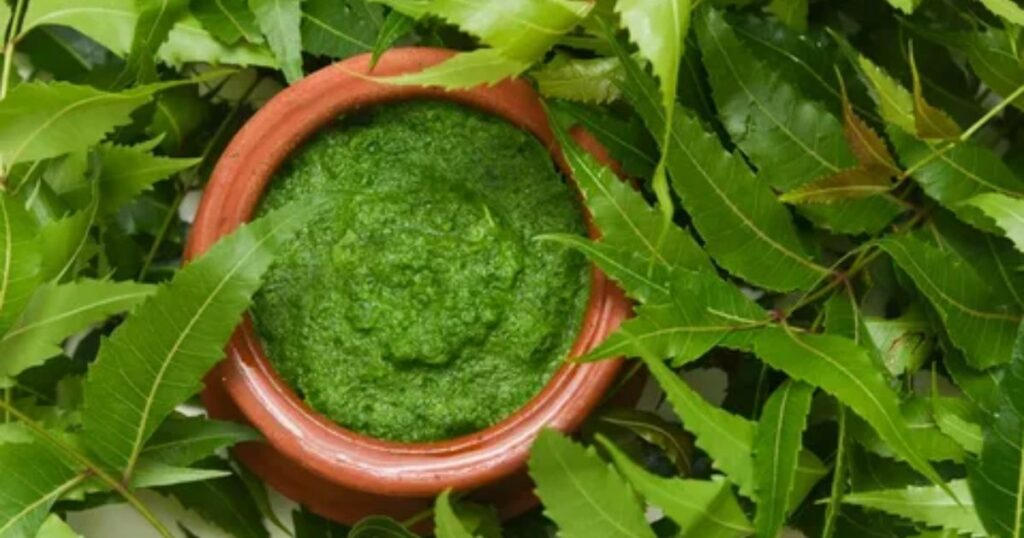
Neem (Azadirachta indica )is widely used for its antimicrobial properties.
If you struggle with dandruff or scalp itching, neem can be helpful.
Benefits:
- May reduce fungal growth
- Calms scalp irritation
- Supports a cleaner scalp environment
Boil neem leaves in water, cool them, and use them as a final rinse.
Shikakai
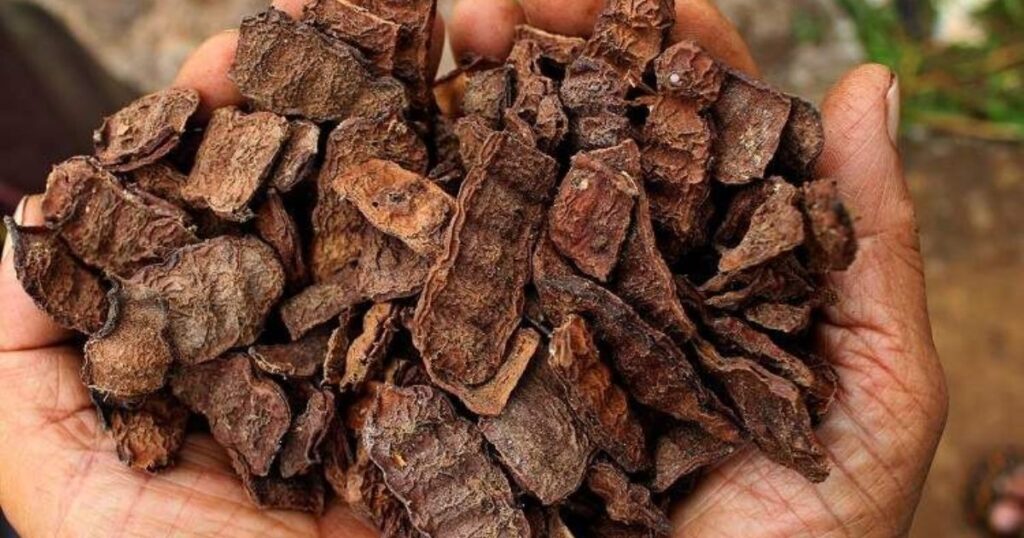
Shikakai (Acacia concinna )has been used as a natural cleanser for generations.
Unlike harsh shampoos, it cleans while maintaining natural oils.
Best for:
- Dry or sensitive scalp
- People are reducing sulfate use
Reetha
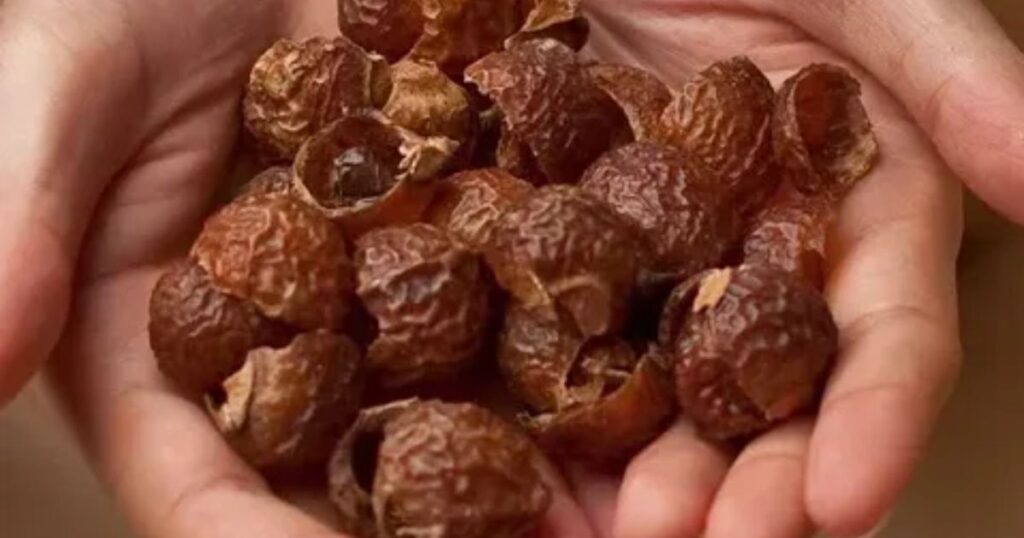
Reetha (Sapindus mukorossi) contains natural saponins, which create mild foam.
It works well as a shampoo alternative, especially when combined with shikakai.
Aloe Vera
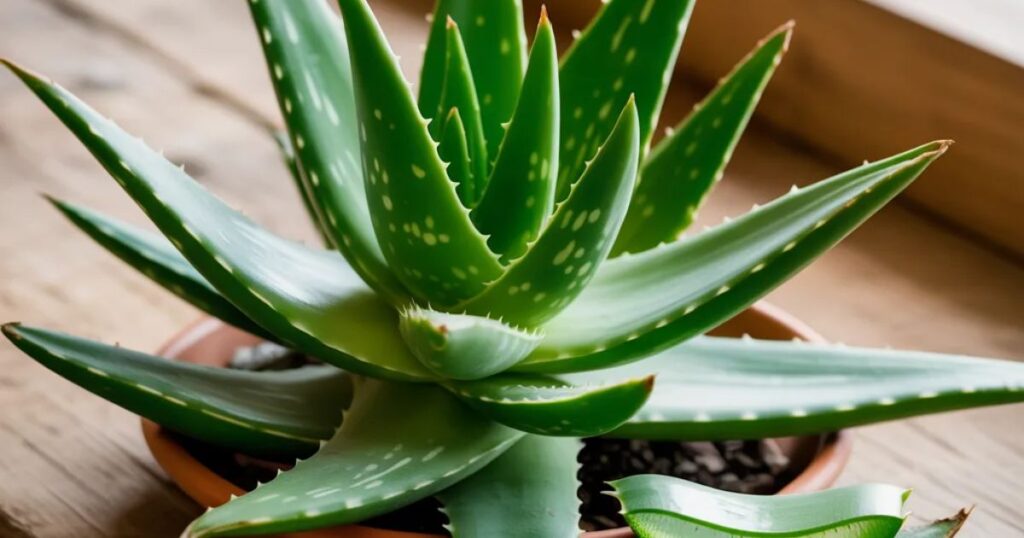
Aloe vera is simple but powerful.
It contains enzymes that may help remove dead skin cells and calm irritation.
Why people love it:
- Hydrates dry scalp
- Reduces itching
- Improves softness
You can apply fresh aloe gel directly to the scalp.
Fenugreek (Methi)
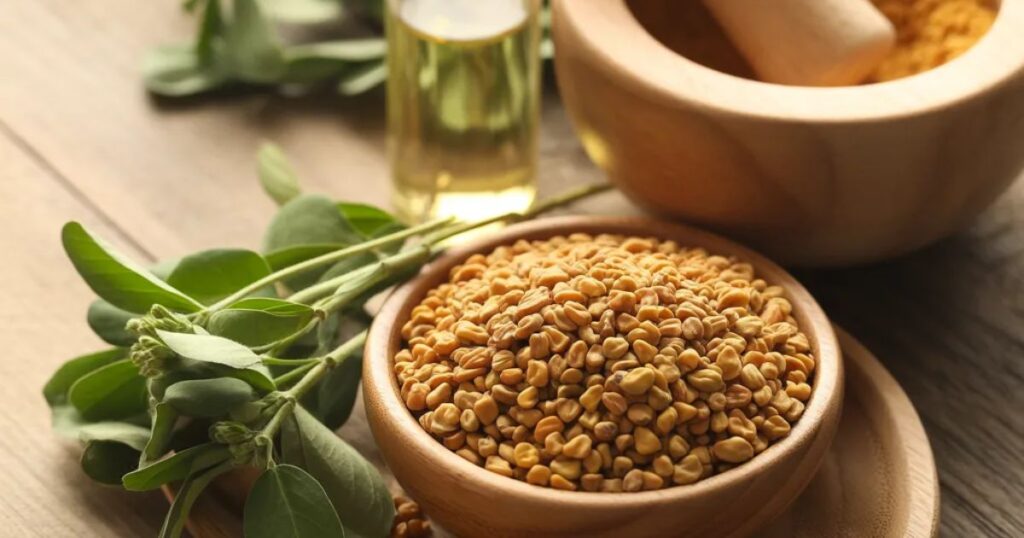
Fenugreek (Trigonella foenum-graecum) seeds contain protein and nicotinic acid
Protein helps support hair structure
Best for:
- Hair thinning
- Weak strands
- Lack of volume
Soak seeds overnight, grind into a paste, and apply as a mask
Hibiscus
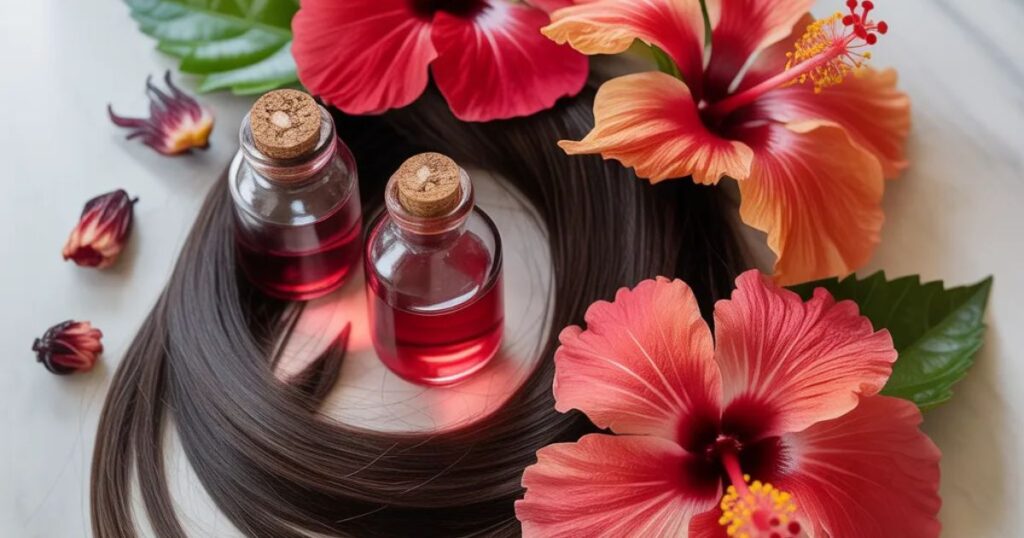
Hibiscus rosa-sinensis flowers are commonly added to oils
Many people use hibiscus to promote thickness and shine
A Simple Herbal Haircare Routine
You don’t need 10 steps. Keep it realistic
Step 1: Oil Massage (1–2 Times Weekly)
Massage warm oil into your scalp for 5–10 minutes. Leave for at least one hour.
Step 2: Gentle Cleansing
Use a mild herbal cleanser or a sulfate-free shampoo
Step 3: Weekly Herbal Mask
Use amla + fenugreek + aloe vera paste once a week.
Step 4: Final Rinse
Neem or hibiscus water rinse once weekly.
Consistency matters more than intensity.
Use Natural Haircare Masks
Homemade hair masks strengthen and repair hair naturally.y
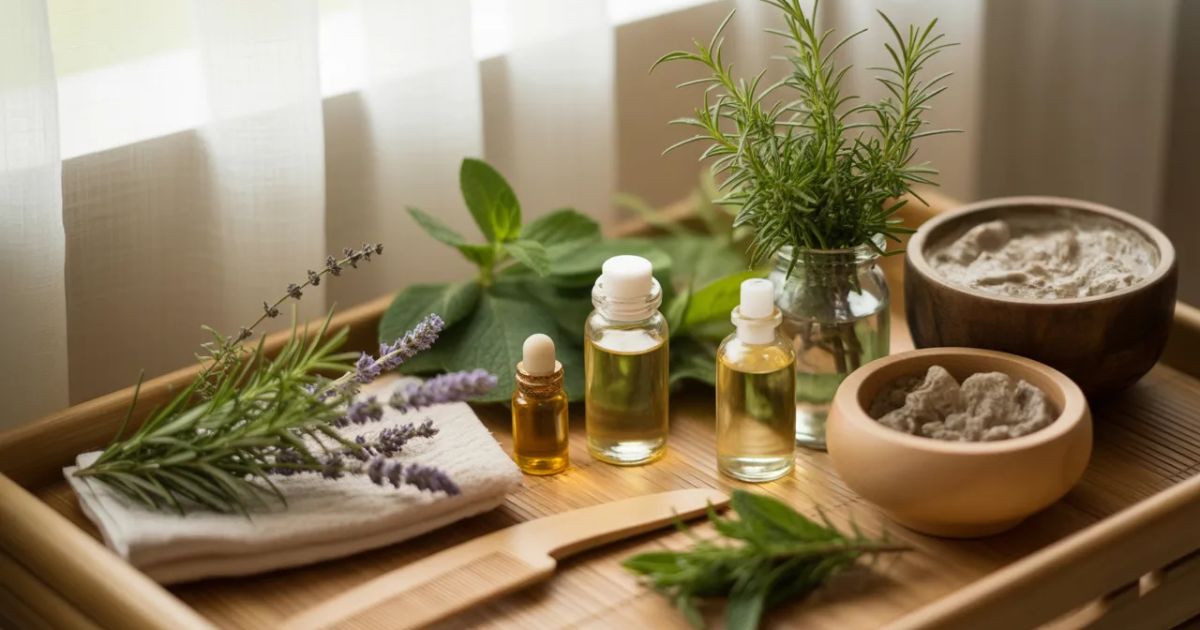
- Yogurt for moisture
- Aloe vera for scalp care
- Egg mask for protein
- Banana for smoothness
Scalp Care for Healthy Hair
Healthy hair starts with a healthy scalp. Ignoring scalp care can lead to dandruff, itching, and hair fall
Scalp care tips:
- Keep scalp clean
- Avoid heavy product buildup
- Exfoliate scalp once a month
- Massage regularly
A clean scalp allows hair follicles to breathe and grow properly
Hair Care for Hair Growth
If your goal is hair growth, consistency is key
Tips to promote hair growth:
- Eat a balanced diet rich in protein and vitamins
- Drink enough water
- Avoid tight hairstyles
- Trim split ends regularly
- Reduce stress
Foods like eggs, nuts, spinach, and fruits support natural hair growth.
Hair Care Products: What to Choose
Always choose hair care products according to your hair type.
Product tips:
- Use sulfate-free shampoo
- Avoid alcohol-based styling products
- Choose natural or herbal formulas
- Read labels carefully
Natural and herbal products are usually gentler and suitable for regular use.
How Long Before You See Results?
Hair grows about 1 to 1.25 cm per month on average. That means visible changes take time.
Most people notice improvement in texture and reduced hair fall within 6–8 weeks. Thicker growth may take 3 months or more.
If hair fall is caused by medical issues like thyroid imbalance or iron deficiency, herbal care alone won’t fix it. Internal health matters.
Conclusion
Hair care is a powerful commitment that demands patience, consistency, and the right strategy. By understanding your unique hair type and following a straightforward routine, you can achieve vibrant, strong, and shiny hair. Embrace natural remedies and prioritize proper scalp care to elevate your hair game. Steer clear of harsh treatments and instead focus on gentle, natural practices that yield lasting results. With the right habits in place, anyone can achieve stunning, healthy hair.