Best Hair Oil for Hair Growth and Hair Porosity Guide
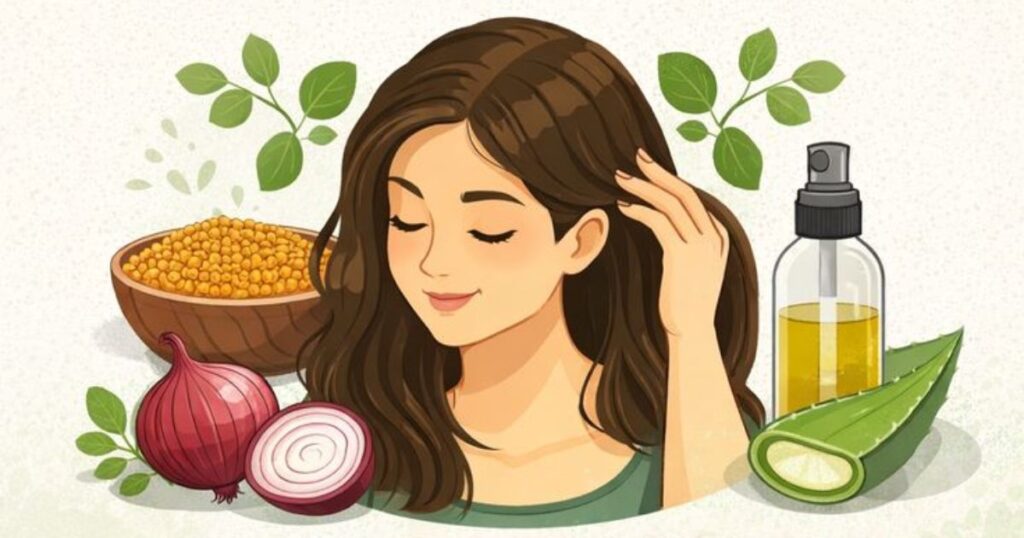
Healthy, shiny, and strong hair is something that everyone wants. However, problems such as hair fall, dryness, frizz, and slow hair growth have become very common due to pollution, stress, an unhealthy diet, and excessive use of chemical products. One of the most effective natural solutions for these problems is using the right hair oil.
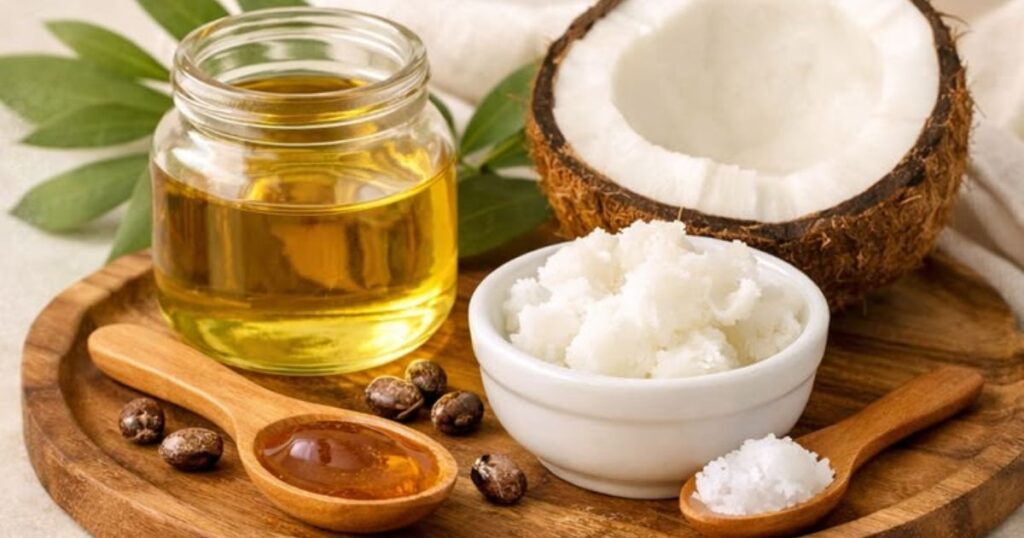
Hair oiling has been an important part of traditional hair care routines for centuries. Natural oils help nourish the scalp, strengthen hair roots, and improve hair growth. However, many people do not realize that choosing the right hair oil also depends on hair porosity.
Hair porosity determines how well your hair absorbs and retains moisture. Understanding your hair porosity makes it easier to choose the best oil and create the perfect hair care routine.
In this article, we will discuss the benefits of hair oil, types of hair oils, hair porosity, and how to choose the best oil for your hair type.
Best Natural Hair Oils for Healthy Hair
Different natural oils provide different benefits for hair. Choosing the right oil can help solve many hair problems.
Coconut Oil
Coconut oil is one of the most popular and widely used hair oils. It penetrates deep into the hair shaft and nourishes the scalp.
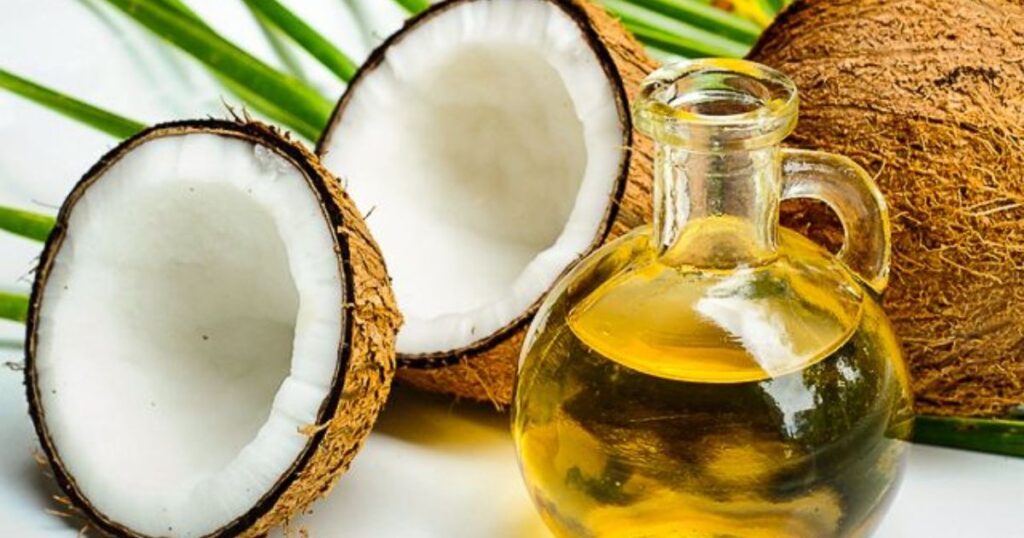
Benefits of Coconut Oil
- Reduces protein loss in hair
- Strengthens hair roots
- Prevents hair breakage
- Adds natural shine
Coconut oil is suitable for most hair types and is often used as a base oil.
Castor Oil
Castor oil is known for its powerful hair growth properties. It contains ricinoleic acid, which improves blood circulation in the scalp.
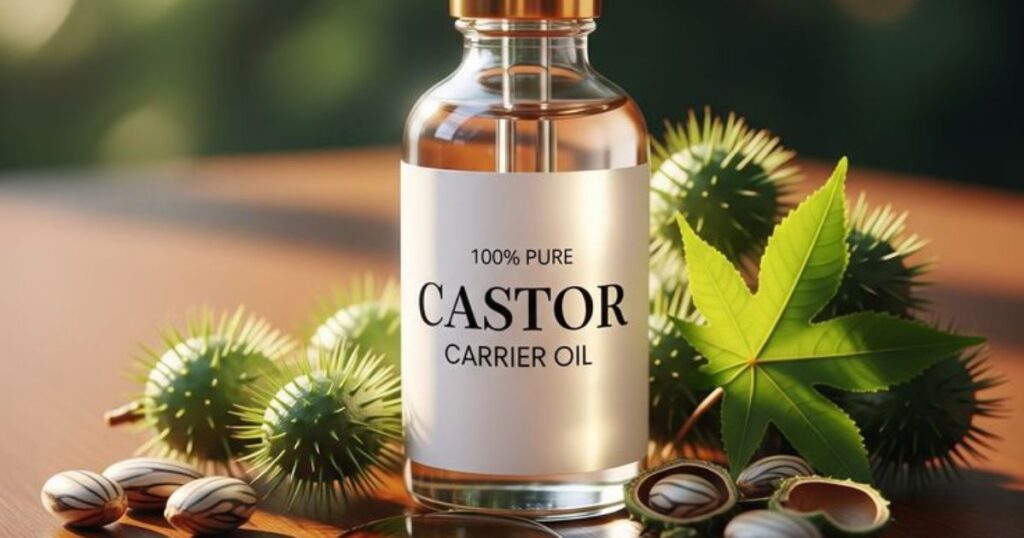
Benefits of Castor Oil
- Promotes thicker hair growth
- Strengthens hair follicles
- Reduces hair fall
- Moisturizes dry scalp
Because castor oil is thick, it is often mixed with lighter oils such as coconut oil.
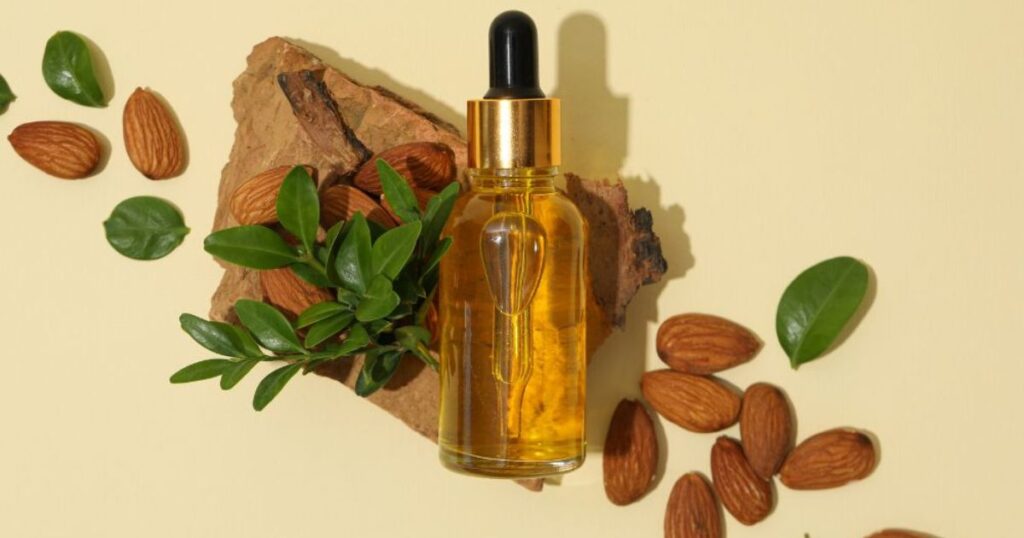
Almond Oil
Almond oil is rich in vitamins A, E, and fatty acids that nourish hair and improve scalp health.
Benefits of Almond Oil
- Softens hair
- Reduces split ends
- Improves hair texture
- Adds shine and smoothness
This oil is especially beneficial for dry and dull hair.
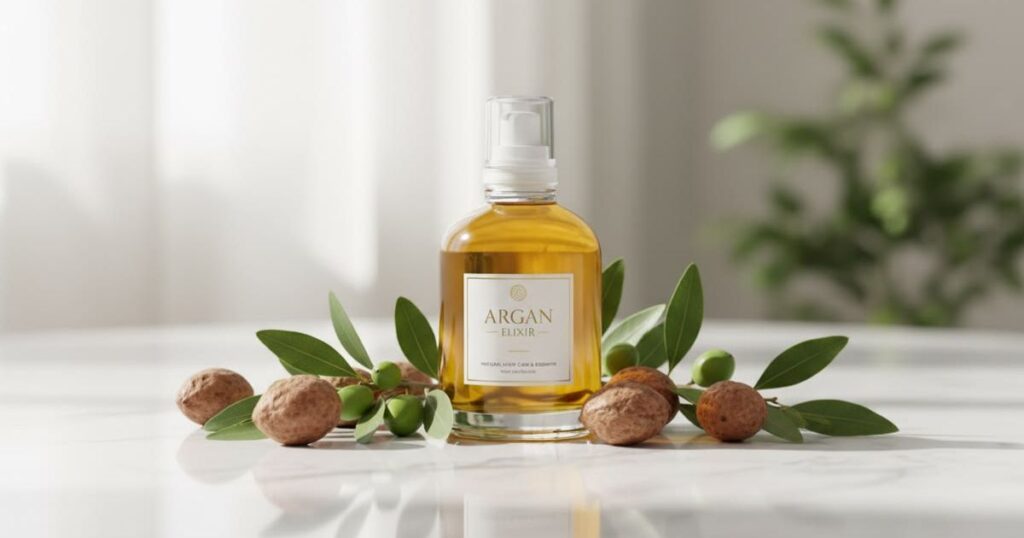
Argan Oil
Argan oil is often called liquid gold because of its rich nutrient content. It is full of antioxidants and vitamin E.
Benefits of Argan Oil
- Repairs damaged hair
- Reduces frizz
- Protects hair from heat damage
- Improves hair elasticity
Argan oil is lightweight and suitable for daily use.
After massaging hair oil, identifying your hair porosity allows you to select suitable oils and treatments for stronger, shinier, and well-hydrated hair.”
“Using the right hair oils can improve scalp health and promote stronger, healthier hair. For a complete guide on maintaining overall hair health, check out our Hair Care article.“
What is Hair Porosity?
Hair porosity refers to the ability of hair to absorb and retain moisture. It depends on the structure of the hair cuticle.
Hair cuticles can either be tightly closed or widely open. This determines how well oils and moisture enter the hair strand.
Hair porosity is divided into three types:
- Low porosity hair
- Medium porosity hair
- High porosity hair
Understanding your hair porosity helps you choose the right oils and hair care products.
Low Porosity Hair
Low porosity hair has tightly closed cuticles that prevent moisture from easily entering the hair shaft.
Signs of Low Porosity Hair
- Water sits on the hair instead of absorbing
- Hair takes longer to dry
- Products build up on the scalp
- Hair feels heavy after applying products
Best Oils for Low Porosity Hair
Lightweight oils work best for this hair type because they absorb easily.
Recommended oils include:
- Argan oil
- Jojoba oil
- Grapeseed oil
- Almond oil
These oils help moisturize hair without causing product buildup.
Medium Porosity Hair
Medium porosity hair is considered the most balanced hair type. The cuticles are slightly open, allowing moisture to enter and stay inside the hair.
Signs of Medium Porosity Hair
- Hair holds styles easily
- Balanced moisture levels
- Hair looks naturally shiny
- Less breakage compared to other types
Best Oils for Medium Porosity Hair
Most natural oils work well for this hair type.
Recommended oils include:
- Coconut oil
- Olive oil
- Almond oil
- Argan oil
These oils help maintain moisture balance and keep hair healthy.
High Porosity Hair
High porosity hair has widely open cuticles. This allows moisture to enter easily but also escape quickly.
Signs of High Porosity Hair
- Hair dries very quickly
- Hair becomes frizzy easily
- Hair breaks more easily
- Hair absorbs products quickly
Best Oils for High Porosity Hair
Heavier oils are best because they help seal moisture.
Recommended oils include:
- Castor oil
- Coconut oil
- Olive oil
- Shea butter oil
These oils help lock moisture inside the hair shaft and reduce dryness.
Benefits of Using Hair Oil
Hair oil provides essential nutrients that keep hair healthy and strong. Regular oiling nourishes the scalp and protects hair from environmental damage.
Some major benefits of using hair oil include:
- Strengthens hair follicles
- Promotes healthy hair growth
- Reduces hair fall and breakage
- Moisturizes dry scalp
- Improves hair texture and shine
- Prevents frizz and split ends
Hair oil also improves blood circulation in the scalp when massaged properly. This helps deliver nutrients to the hair roots and supports healthier hair growth.
How to Use Hair Oil Properly
Using hair oil correctly is important to get the best results.
Step 1: Warm the Oil
Slightly warm the oil so it can penetrate deeper into the scalp.
Step 2: Massage the Scalp
Massage gently for about 5–10 minutes. This improves blood circulation and nourishes the roots.
Step 3: Leave the Oil on Hair
Leave the oil for at least 30 minutes or overnight for deeper conditioning.
Step 4: Wash Hair with Mild Shampoo
Wash your hair with a gentle shampoo to remove excess oil.
Oiling hair two to three times per week can significantly improve hair health.
Tips for Healthy Hair
In addition to using hair oil, follow these simple tips to maintain healthy hair:
- Eat a balanced diet rich in protein and vitamins
- Drink plenty of water
- Avoid excessive heat styling tools
- Protect hair from pollution and sun exposure
- Trim hair regularly to prevent split ends
Healthy lifestyle habits combined with regular hair oiling can improve overall hair quality.
Conclusion
Hair oil is one of the most effective natural solutions for maintaining healthy hair. Natural oils such as coconut oil, castor oil, almond oil, and argan oil provide essential nutrients that nourish the scalp and strengthen hair roots.
However, choosing the right oil becomes easier when you understand your hair porosity. Different porosity types require different oils to maintain a proper moisture balance.
By understanding your hair type and using suitable oils regularly, you can achieve stronger, shinier, and healthier hair naturally.
Is there any oil to regrow hair?
Yes! Natural oils like castor oil, coconut oil, and rosemary oil can help stimulate hair growth by nourishing the scalp and strengthening hair follicles.
Is rosemary oil good for high porosity hair?
Yes! Rosemary oil is good for high-porosity hair when mixed with a carrier oil, such as coconut or castor oil. It helps stimulate hair growth, improve scalp circulation, and reduce breakage
Which oil makes hair thicker?
Castor oil is known to make hair thicker. It strengthens hair follicles, nourishes the scalp, and promotes fuller, stronger hair over time