
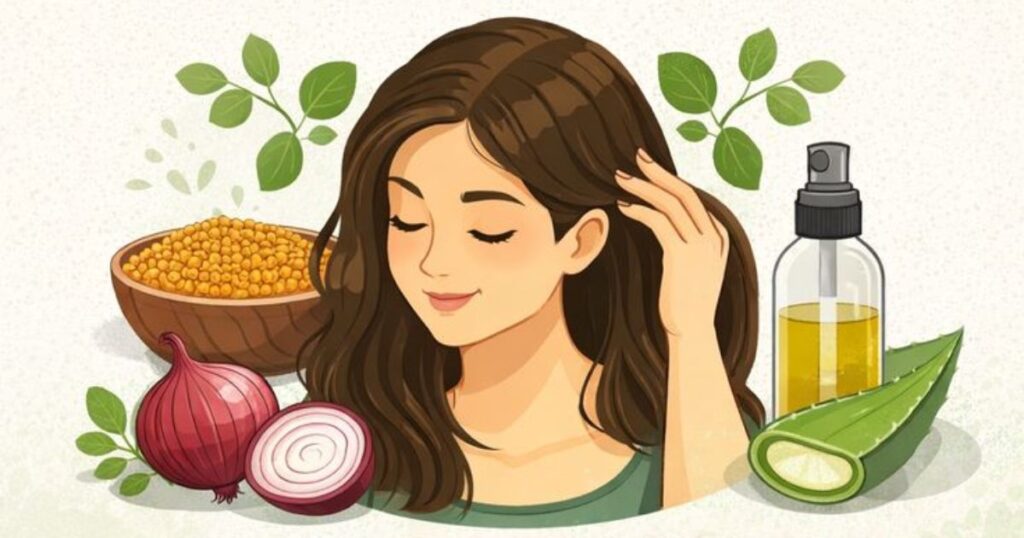
Hair Fall: Causes, Symptoms, Prevention, and Natural Ways to Stop Hair Loss
Hair fall is one of the most common problems faced by both men and women today. Losing some hair every day is normal, but excessive hair fall can become a serious concern. Factors like stress, poor diet, hormonal changes, pollution, and improper hair care routines can lead to hair loss.
Healthy hair not only improves your appearance but also reflects your overall health. Understanding the causes and symptoms of hair fall can help you take the right steps to prevent it. In this article, we will explore the major causes of hair loss, warning signs, prevention tips, and natural remedies to help control it.
If you want to improve overall hair health and prevent common hair problems, you can read our complete guide on hair care routine for healthy hair.
What Is Hair Fall?
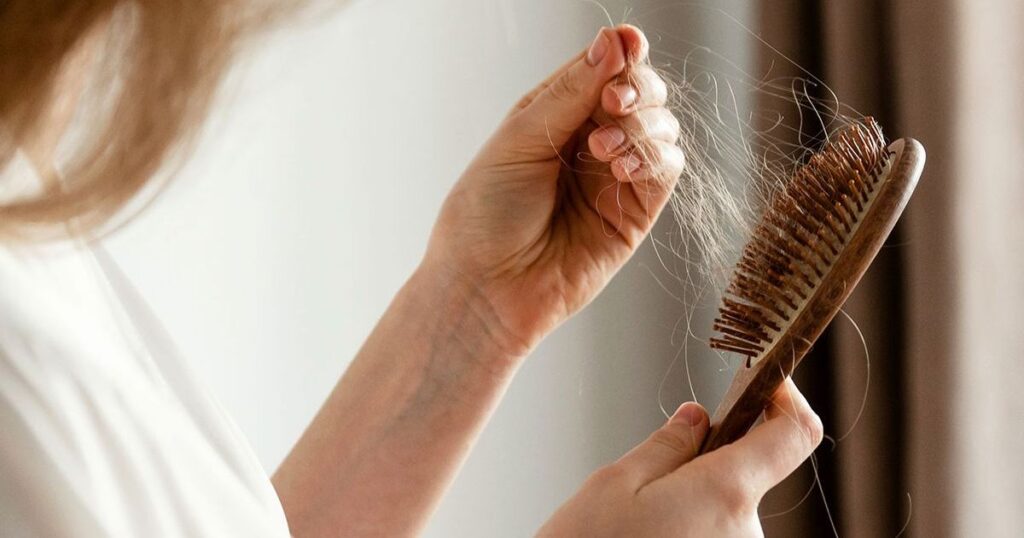
Hair fall refers to the excessive shedding of hair from the scalp. Normally, a person loses around 50–100 strands of hair per day, which is part of the natural hair growth cycle. However, if you notice large amounts of hair on your pillow, comb, or in your shower drain, it may indicate hair loss.
Hair grows in cycles that include the growth phase (anagen), resting phase (telogen), and shedding phase. When this cycle gets disturbed, hair fall can increase, and new hair may not grow properly.
Common Causes of Hair Fall
Understanding the root cause of hair loss is important for finding the right treatment.
1. Poor Nutrition
Hair needs essential nutrients like protein, iron, zinc, and vitamins to grow properly. A poor diet lacking these nutrients can weaken hair roots and cause hair fall.
2. Stress and Anxiety
High levels of stress can push hair follicles into the resting phase, leading to increased hair shedding. Stress-related hair loss is often temporary but it can become severe if stress continues for a long time.
3. Hormonal Changes
Hormonal imbalance caused by pregnancy, menopause, thyroid problems, or conditions like PCOS can lead to hair fall.
4. Excessive Heat Styling
Frequent use of hair dryers, straighteners, and curling irons can damage the hair shaft and weaken the roots.
5. Chemical Hair Products
Hair dyes, bleaching treatments, and harsh shampoos containing strong chemicals can damage the scalp and cause hair loss.
6. Medical Conditions
Certain medical conditions, such as alopecia, thyroid disorders, scalp infections, and anemia, can lead to excessive hair fall.
7. Genetics
In some cases, hair fall is hereditary. This condition is known as pattern hair loss and usually runs in families.
Symptoms of Hair Fall
Hair fall often shows some early warning signs. Recognizing these symptoms early can help prevent severe hair loss.
Common symptoms include:
- Excessive hair strands on pillows or combs
- Hair thinning, especially near the crown or hairline
- Visible scalp through the hair
- Receding hairline
- Weak and brittle hair
- Hair breaking easily during brushing
If hair fall continues for several months or becomes severe, it is recommended to consult a doctor.
How to Prevent Hair Fall
Preventing hair fall requires a combination of proper hair care and a healthy lifestyle.
1. Maintain a Healthy Diet
Include foods rich in protein, iron, biotin, and vitamins such as:
- Eggs
- Nuts and seeds
- Spinach
- Fish
- Fruits and vegetables
These nutrients help strengthen hair roots and support healthy hair growth.
2. Avoid Excessive Heat Styling
Limit the use of heat styling tools. If you must use them, apply a heat protectant to minimize damage.
3. Choose Gentle Hair Products
Use mild, sulfate-free shampoos and conditioners that suit your hair type. Harsh chemicals can weaken the scalp and hair follicles.
4. Massage Your Scalp
Regular scalp massage improves blood circulation and stimulates hair follicles, promoting healthy hair growth.
5. Manage Stress
Practices like yoga, meditation, and exercise can help reduce stress levels and prevent stress-related hair loss.
6. Avoid Tight Hairstyles
Hairstyles such as tight ponytails, braids, or buns can pull hair from the roots and cause breakage.
Natural Remedies to Stop Hair Fall
Many natural ingredients can help strengthen hair roots and reduce hair fall.
1. Coconut Oil
Coconut oil nourishes the scalp and reduces protein loss in hair. Massage warm coconut oil into your scalp and leave it overnight for the best results.
2. Onion Juice
Onion juice is rich in sulfur, which improves blood circulation to hair follicles and promotes hair growth.
3. Aloe Vera
Aloe vera soothes the scalp and helps maintain a healthy pH level, which can reduce hair fall.
4. Rosemary Oil
Rosemary oil is known for stimulating hair growth and improving scalp health. Mix a few drops with a carrier oil and massage into the scalp.
5. Fenugreek Seeds
Fenugreek seeds contain protein and nicotinic acid that help strengthen hair roots and reduce hair loss.
Natural Remedies to Stop Hair Fall (How to Apply)
1. Coconut Oil for Hair Fall

How to Apply
- Take 2–3 tablespoons of coconut oil (depending on hair length).
- Slightly warm the oil until it’s lukewarm.
- Apply it to your scalp and hair roots using your fingertips.
- Massage gently for 5–10 minutes to improve blood circulation.
- Leave it overnight or at least 1–2 hours.
- Wash your hair with a mild shampoo.
How Many Times per Week
Apply 2–3 times per week for best results.
2. Onion Juice for Hair Fall

How to Apply
- Take 1 medium onion and blend or grate it.
- Use a cloth or strainer to extract the juice.
- Apply the juice directly to your scalp, focusing on hair roots.
- Massage gently for 3–5 minutes.
- Leave it on the scalp for 20–30 minutes.
- Wash your hair with mild shampoo to remove the smell.
How Many Times per Week
Use 2 times per week.
3. Aloe Vera for Hair Fall

How to Apply
- Take fresh aloe vera gel from the leaf or use pure aloe vera gel.
- Apply the gel directly to the scalp and hair.
- Massage gently for 5 minutes.
- Leave it for 30–45 minutes.
- Wash with lukewarm water and mild shampoo.
How Many Times per Week
Apply 2–3 times per week.
4. Rosemary Oil for Hair Fall

How to Apply
- Take 2 tablespoons of carrier oil (such as coconut or olive oil).
- Add 4–5 drops of rosemary essential oil.
- Mix well and apply to your scalp.
- Massage gently for 5–10 minutes.
- Leave it 1–2 hours or overnight.
- Wash your hair with shampoo.
How Many Times per Week
Use 2–3 times per week.
5. Fenugreek Seeds for Hair Fall

How to Apply
- Take 2 tablespoons of fenugreek seeds (methi seeds).
- Soak them in water overnight.
- In the morning, grind them into a smooth paste.
- Apply the paste to your scalp and hair roots.
- Leave it for 30–40 minutes.
- Wash with lukewarm water and mild shampoo.
How Many Times per Week
Apply 1–2 times per week.
Important Tips
- Always do a patch test before applying new remedies.
- Be consistent for at least 6–8 weeks to see results.
- Use mild shampoo and avoid harsh chemicals.
- Maintain a healthy diet rich in protein and vitamins.
Hair Care Tips to Reduce Hair Fall
Following a proper hair care routine can make a big difference in controlling hair fall.
- Wash your hair 2–3 times a week using a mild shampoo
- Avoid brushing wet hair to prevent breakage
- Use a wide-tooth comb to detangle hair gently
- Protect your hair from pollution and sunlight
- Stay hydrated by drinking enough water
These small habits can significantly improve hair health over time.
When to See a Doctor
Sometimes hair fall may indicate an underlying health issue. You should consult a doctor if:
- Hair fall is sudden and excessive
- You notice bald patches on the scalp
- Hair loss is accompanied by itching or pain
- Hair fall continues despite proper care
A doctor may recommend medical treatments, supplements, or specialized therapies to control hair loss.
Conclusion

Hair fall is a common issue, but with the right care and lifestyle changes, it can often be controlled. Maintaining a healthy diet, reducing stress, and following a proper hair care routine are essential steps for preventing hair loss.
Natural remedies like coconut oil, onion juice, and aloe vera can also support scalp health and strengthen hair roots. However, if hair fall becomes severe or persistent, seeking medical advice is important.
Implementing effective hair care practices can lead to noticeable improvements in hair vitality. Awareness of potential health concerns linked to hair loss is crucial; thus, consulting a healthcare professional may provide insights into appropriate treatment options. Emphasizing a balanced diet and stress management, alongside natural remedies, fosters a holistic approach to hair health. Ultimately, dedication to these practices can yield long-lasting benefits, enhancing the overall condition of your hair.


Pingback: 7 Causes of Dandruff and 5 Easy Herbal Remedies - Harbal Aura
Pingback: Top 7 Hair Masks for Damaged Hair – Instant Results at Home