Dandruff is one of the most common scalp issues people face worldwide. Those tiny white flakes on your shoulders, the constant itching, and the embarrassment in public can be frustrating. While a flaky scalp is not usually a serious medical condition, it can affect your confidence and comfort.
The good news? Dandruff is manageable—and in many cases, preventable—with the right knowledge and care. In this article, we’ll explore the 7 major causes of dandruff and 5 easy herbal remedies you can use at home to treat it naturally.“For ongoing scalp health and stronger hair, also check out how to stop hair fall naturally.”
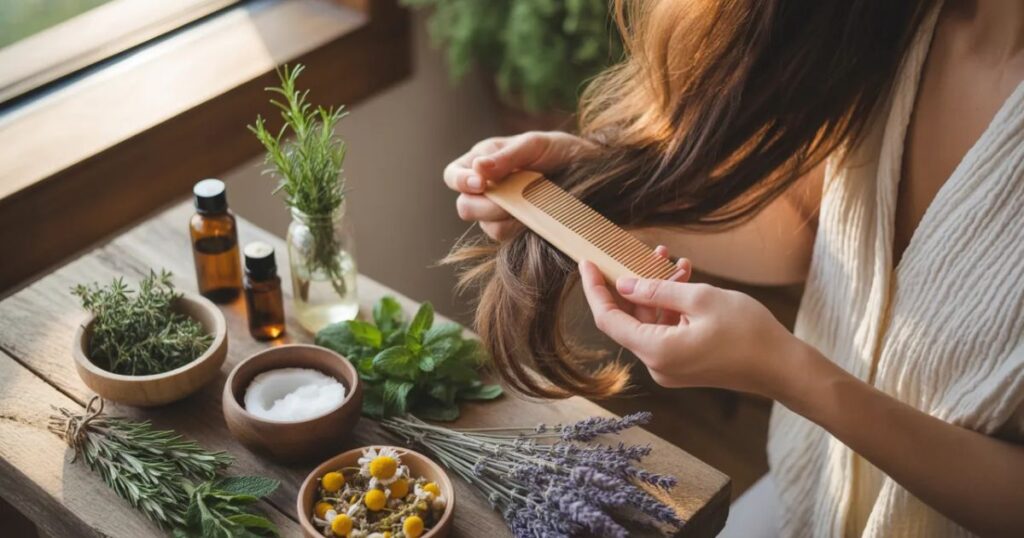
Herbal treatments are safe, natural, and effective when used consistently. Ingredients like neem, aloe vera, fenugreek, and tea tree oil help fight scalp infections, reduce flaking, and soothe irritation. Combining these remedies with proper hair care can maintain a healthy, flake-free scalp without relying on harsh chemicals.
What Exactly is Dandruff?
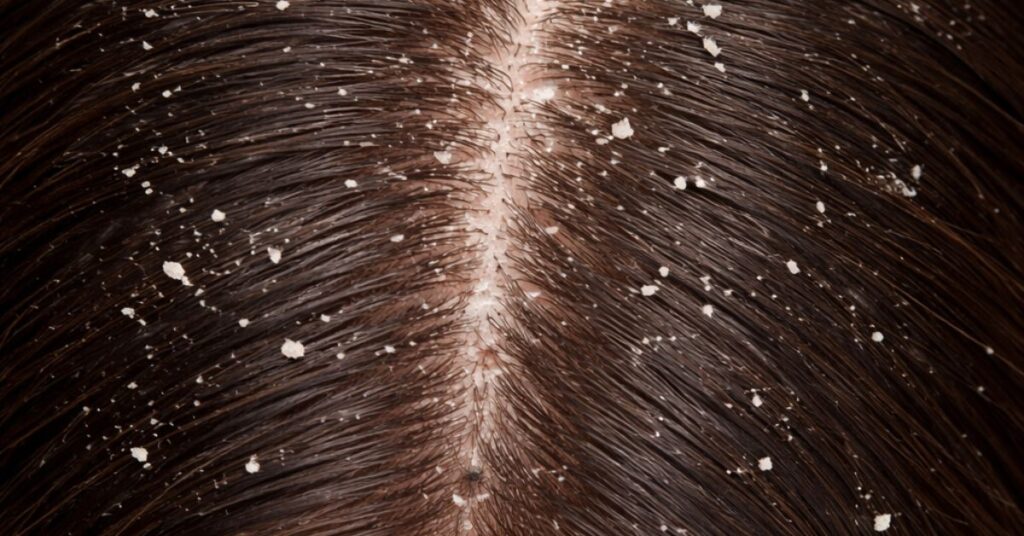
Dandruff happens when your scalp sheds dead skin cells faster than normal. Usually, this process is slow and invisible. But when it speeds up, you see those white flakes on your hair and shoulders. Both adults and teens can get dandruff, and it’s more common in men—but anyone can have it.
7 Common Causes of a Flaky Scalp
Understanding the root cause is the first step toward effective treatment. Let’s break down the main reasons behind dandruff:
1. Dry Scalp
One of the simplest and most common causes of dandruff is a dry scalp
When your scalp lacks moisture, the skin becomes flaky and irritated. These flakes often resemble dandruff but are usually smaller and less oily.
Signs:
- Small, dry flakes
- Tight or itchy scalp
- Worse in winter or cold weather
2. Oily Skin (Seborrheic Dermatitis)
Ironically, dandruff can also be caused by an overly oily scalp
This condition, known as seborrheic dermatitis, leads to yellowish, greasy flakes and redness on the scalp. It can also affect areas like eyebrows and the sides of the nose
Causes:
- Excess sebum production
- Hormonal imbalance
- Stress
3. Fungal Growth (Malassezia)
A naturally occurring fungus called Malassezia lives on everyone’s scalp. However, when it grows excessively, it can irritate the scalp and increase skin cell turnover.
This leads to:
- Flaking
- Itching
- Inflammation
This is one of the most common causes of persistent dandruff.
4. Poor Hair Hygiene
Not washing your hair regularly can lead to:
- Oil buildup
- Dead skin accumulation
- Dirt and product residue
All of these contribute to dandruff.
However, overwashing can also strip natural oils and worsen dryness—so balance is key.
5. Sensitivity to Hair Products
Some people develop dandruff due to product buildup or allergic reactions.
This condition is called contact dermatitis, and it can be triggered by:
- Shampoos
- Hair sprays
- Gels
- Chemical treatments
Symptoms:
- Redness
- Itching
- Flakes after using certain products
6. Unhealthy Diet
What you eat directly affects your scalp health.
A diet lacking in:
- Zinc
- Vitamin B
- Omega-3 fatty acids
can lead to a dry and flaky scalp.
Eating too much processed or oily food may also worsen dandruff.
7. Stress and Lifestyle Factors
Stress doesn’t directly cause dandruff—but it weakens your immune system, making your scalp more vulnerable.
Other lifestyle factors include:
- Lack of sleep
- Poor hygiene habits
- Weather changes
These can all trigger or worsen dandruff.
Signs You Have a Flaky Scalp
- White or yellow flakes on your hair or shoulders
- Itchy scalp
- Red or irritated skin in severe cases
- Dry or tight scalp
Herbal & Natural Remedies That Really Work
The best part? You don’t always need chemicals. These “Natural remedies are gentle, effective, and safe for long-term use. For more tips on keeping your hair healthy naturally, check out our complete guide on Herbal Haircare
1. Aloe Vera
- Soothes itching and reduces redness
- Moisturizes the scalp to prevent dryness
- How: Apply fresh aloe vera gel, leave for 20–30 minutes, then rinse
2. Neem (Azadirachta indica)
- Fights flaky scalp, causing fungus naturally
- Soothes irritation
- How: Boil neem leaves in water, let it cool, then rinse hair with it
3. Tea Tree Oil
- Antifungal and antibacterial
- Helps reduce flakes and itching
- How: Add 3–5 drops to your shampoo
4. Coconut
- Anti-inflammatory and antifungal
Herbal Treatment for Dandruff
Herbal remedies are a natural and gentle way to treat dandruff and improve scalp health. Many herbs contain antifungal, antibacterial, and soothing properties that help reduce flakes, itching, and irritation. Regular use of herbal treatments can balance scalp oil and promote healthier hair growth.
1. Neem
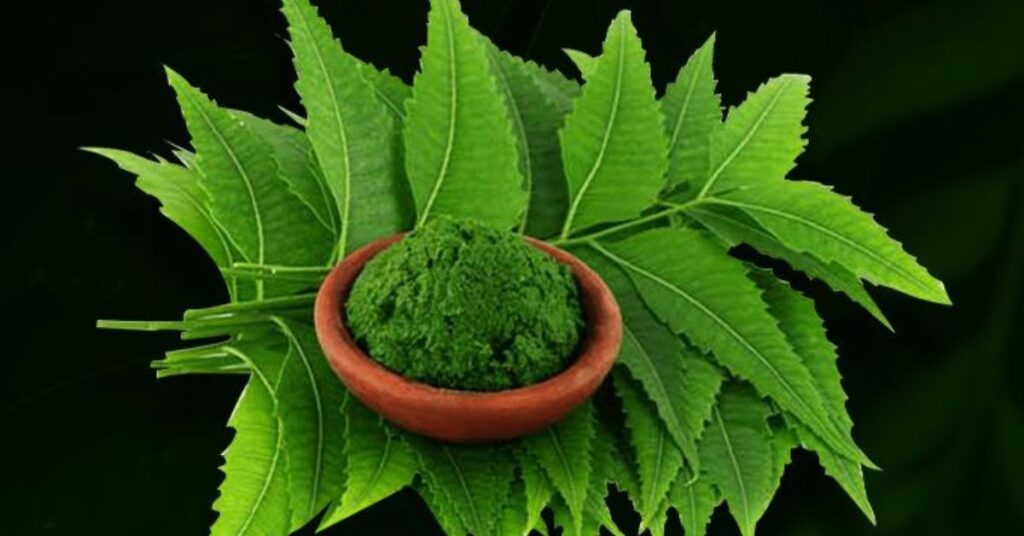
Neem is one of the most effective herbal remedies for a flaky scalp because of its strong antifungal and antibacterial properties. It helps fight scalp infections and reduces itching.
How to use:
- Boil a handful of neem leaves in water for 10 minutes.
- Let the water cool.
- Use it as a final rinse after washing your hair.
- Use 1–2 times a week.
You can also make a paste of neem leaves and apply it to your scalp for 20 minutes before washing your hair.
2. Aloe Vera
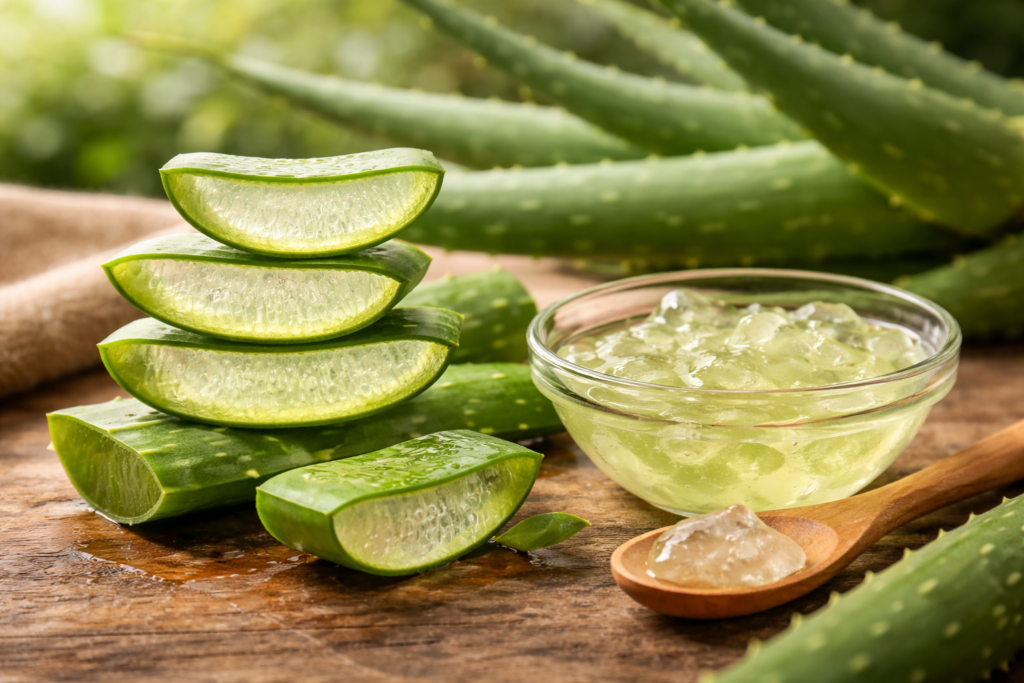
Aloe vera is well known for its soothing and moisturizing properties. It helps reduce scalp irritation, dryness, and dandruff flakes.
How to use:
- Extract fresh aloe vera gel.
- Apply it directly to the scalp.
- Leave it on for 30 minutes, then wash your hair with a mild shampoo.
- Use 2–3 times a week for best results.
if you are Using aloe vera regularly can help maintain a healthy scalp.
3. Tea Tree Oil
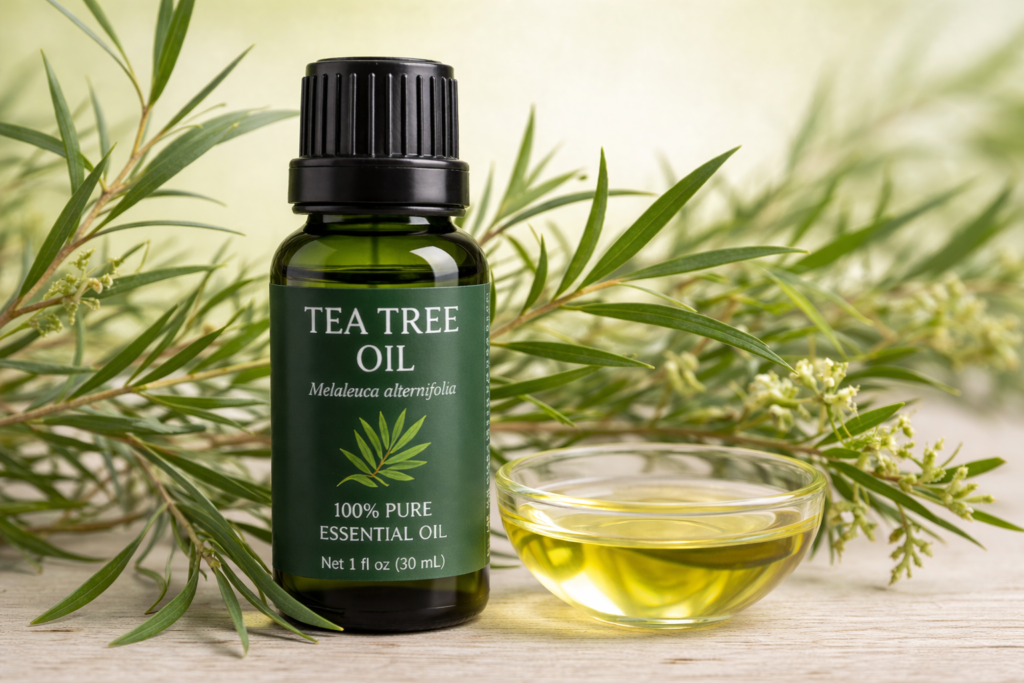
Tea tree oil is a powerful natural antifungal oil that helps control dandruff caused by yeast growth on the scalp.
Benefits:
- Fights Malassezia fungus
- Reduces itching and irritation
- Controls oil production
How to use:
- Mix a few drops with coconut oil or shampoo.
- Apply to the scalp and massage gently.
- Leave it for 20–30 minutes before washing your hair.
⚠️ Avoid using it directly without dilution—it can irritate sensitive skin.
Frequency:
2 times a week
This treatment can help reduce flakes and itching.
4. Fenugreek Seeds (Methi)
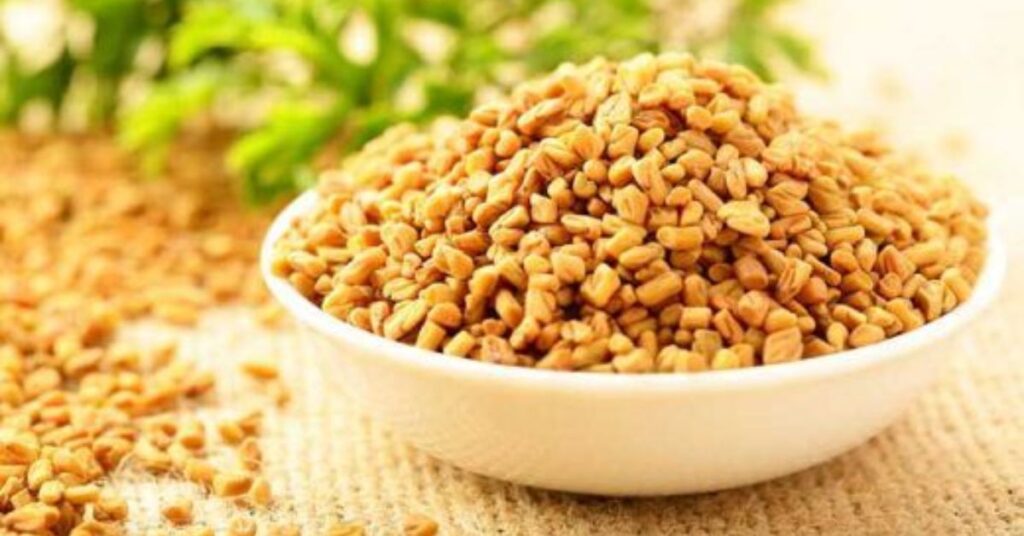
Fenugreek seeds are rich in proteins and natural compounds that help treat dandruff and strengthen hair roots.
How to use:
- Soak two tablespoons of fenugreek seeds overnight.
- Grind them into a paste.
- Apply the paste to your scalp and leave it for 30 minutes.
- Wash with mild shampoo.
- Use once a week.
This remedy also improves hair texture and shine
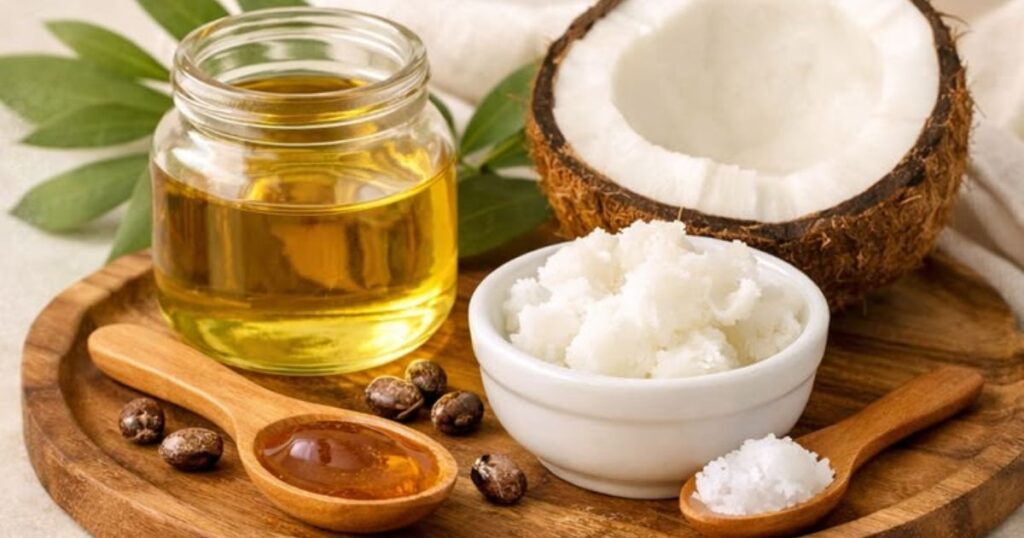
5. Lemon and Coconut Oil
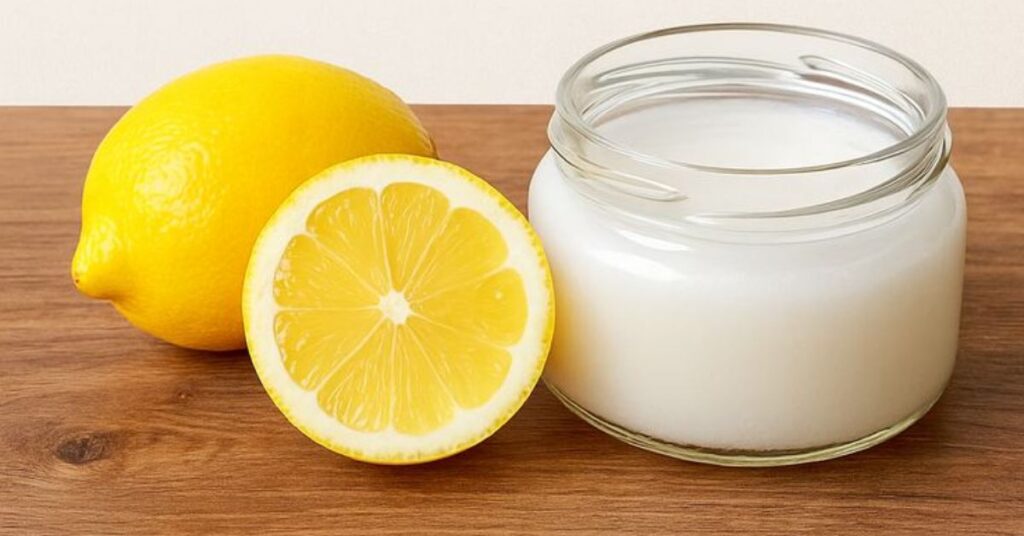
Lemon juice has natural acidity that helps balance scalp pH and remove dandruff flakes, while coconut oil moisturizes the scalp.
How to use:
- Mix 2 tablespoons of coconut oil with 1 tablespoon of lemon juice.
- Massage the mixture into the scalp.
- Leave it for 20 minutes before washing your hair.
- Repeat 2–3 times weekly.
6. Hibiscus Leaves and Flowers
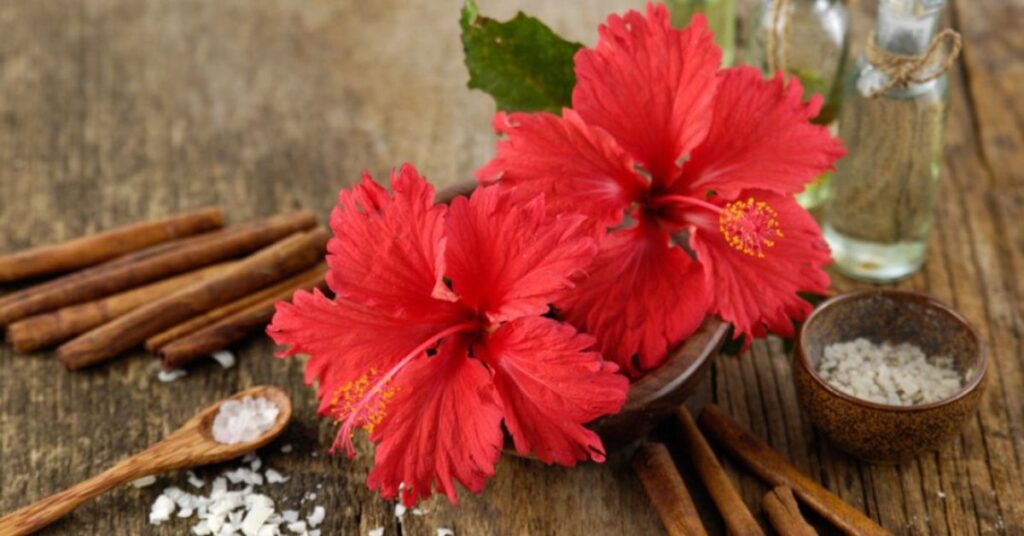
Hibiscus is a powerful herbal remedy that helps reduce dandruff and nourishes the scalp.
How to use:
- Grind hibiscus leaves and flowers into a paste.
- Apply it to the scalp for 30 minutes.
- Wash with lukewarm water.
It also promotes healthy and shiny hair.
Tips to Prevent Dandruff
- Wash hair regularly with mild shampoo
- Avoid harsh chemicals and too many styling products
- Eat a balanced diet with zinc, omega-3s, and vitamins
- Reduce stress—yes, stress can trigger dandruff!
- Drink plenty of water for scalp hydration
When to See a Dermatologist
If your dandruff doesn’t improve after a few weeks or your scalp is red, swollen, or painful, it’s time to see a dermatologist. Sometimes medicated shampoos or treatments are needed.
Final Thoughts
Dandruff may be common, but it doesn’t have to be permanent. By understanding the root causes, you can choose the right treatment and prevent it from coming back.
Natural remedies such as aloe vera, neem, tea tree oil, coconut oil, and fenugreek offer safe, effective solutions without harmful side effects. Consistency is key—regular care and a healthy lifestyle can make a huge difference.
Start taking care of your scalp today, and say goodbye to flakes for good!
What kills dandruff fast?
The fastest way to control dandruff is to use anti-dandruff shampoos containing ketoconazole, zinc pyrithione, or selenium sulfide. For natural remedies, try tea tree oil, aloe vera, or neem regularly. Combine this with proper hair hygiene and a balanced diet for quicker results
How to 100% get rid of dandruff?
Using medicated anti-dandruff shampoos (ketoconazole, zinc pyrithione, selenium sulfide).
Incorporating herbal remedies like tea tree oil, neem, aloe vera, or coconut oil.
Maintaining good hair hygiene – wash regularly with a mild shampoo.
Balancing your diet with zinc, omega-3, and vitamins.
Managing stress and staying hydrated.
With a consistent routine, most people see flakes and itching disappear within weeks.
Can coconut oil help with dandruff?
Yes! Coconut oil moisturizes a dry scalp and has mild antifungal properties. Massage it into your scalp for 1–2 hours before washing for best results.
Are herbal remedies really effective for dandruff?
Definitely. Neem, aloe vera, fenugreek, apple cider vinegar, and lemon juice are proven to fight fungus, reduce itching, and soothe the scalp naturally
How often should I wash my hair to prevent dandruff?
Washing your hair 2–3 times a week with a mild or anti-dandruff shampoo is ideal. Overwashing can dry out your scalp, while under-washing may let oil and fungus build up.